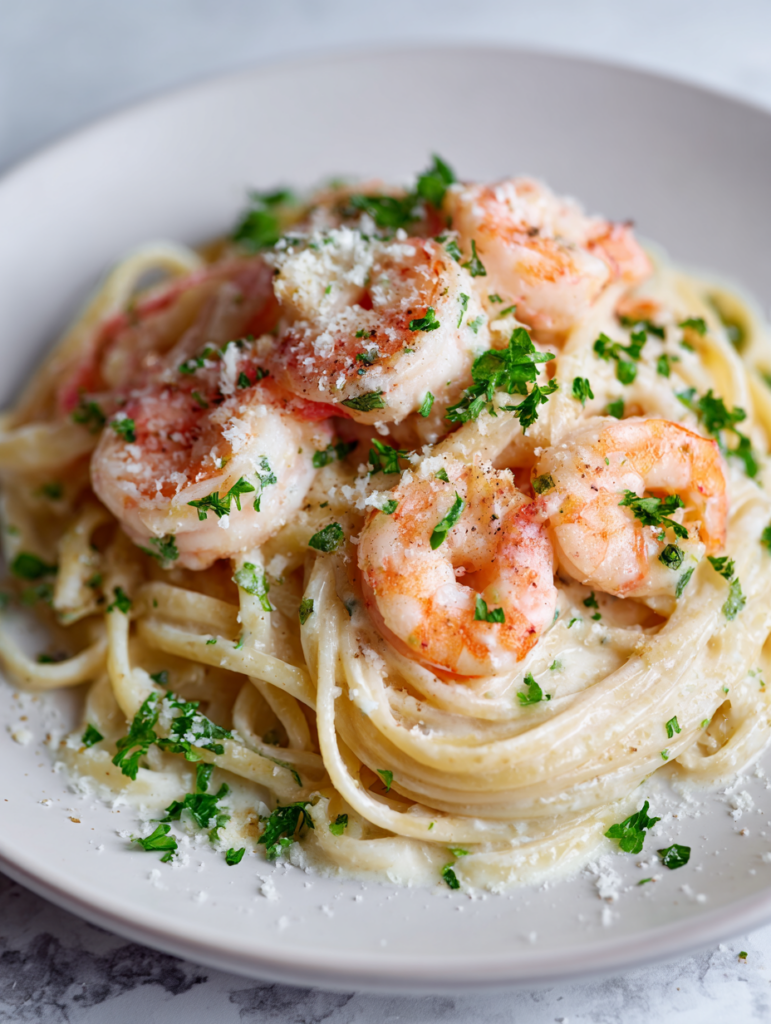
This shrimp white sauce pasta isn’t just about quick comfort; it’s about elevating everyday ingredients into something that feels indulgent without the fuss. I discovered this recipe during a busy week when I needed something warm and satisfying, but also simple enough to throw together after a long day. The creamy sauce, kissed with just a hint of garlic and lemon, makes every bite feel like a small celebration.
What I love most is how the natural sweetness of the shrimp shines through the velvety white sauce, creating a harmonious balance. It’s the kind of dish that’s perfect for a weeknight dinner or when you’re craving something cozy but don’t want to spend hours in the kitchen. Plus, it’s versatile enough to tweak with whatever leftovers you have lurking in the fridge.
This recipe focuses on transforming simple shrimp and pasta into a comforting dish that feels like a warm hug, perfect for those evenings when you need something familiar yet indulgent. I love how the creamy white sauce brings out the natural sweetness of the shrimp, creating a balanced bite every time. It’s a reminder that sometimes, the best meals are the ones you make with humble ingredients, giving them a little extra love.
The secret of a silky white sauce
- I remember the first time I made this and realizing how a simple white sauce can feel so luxurious.
- Cooking this dish always takes me back to my grandmother’s kitchen, where flavors were straightforward but deeply comforting.
- There’s a little thrill in hearing the shrimp crackle as they hit the hot pan—like a tiny celebration in my kitchen.
- Whenever I serve this, I feel a quiet pride in turning humble ingredients into something truly satisfying.
- This recipe has been my go-to during those hectic weeks when I need dinner that’s quick, creamy, and full of flavor.
The story behind this recipe
- This dish came together on a night when I needed something quick but didn’t want to sacrifice flavor. I was tired of the usual tomato-based sauces and craved something creamy, comforting, yet still light enough for a weeknight. The first time I made it, I was surprised how a simple white sauce could feel so indulgent, almost like a cozy secret tucked into a bowl.
- I remember standing at my stove, watching the shrimp turn pink and juicy as they sizzle in butter, and thinking how these small moments—those crackles and smells—are what cooking is really about. It’s a reminder that even humble ingredients, when treated with a little care, can turn into something special. Now, this recipe is my go-to for those evenings when I want warmth and ease, with just enough elegance to feel like a treat.
- heading: ‘The story behind this recipe’
Historical and cultural tidbits
- This creamy white sauce has roots in classic French cuisine, where béchamel was often used as a versatile base.
- In coastal regions, shrimp dishes with rich sauces became popular as a way to enhance simpler ingredients.
- The idea of pairing seafood with creamy sauces gained popularity in American seaside towns in the early 20th century.
- This dish is a modern twist on traditional shrimp pasta, blending Italian comfort with a touch of French sophistication.
- Many home cooks around the world have adapted this recipe, making it a personal canvas for flavor variations.
Key ingredients and tips
- Shrimp: I prefer large, fresh shrimp—those little pops of sweetness really stand out. If yours are frozen, make sure to thaw completely and pat dry so they sear properly without stewing in their own moisture.
- Heavy Cream: I love the silkiness it gives, but if you want a lighter version, try half-and-half or evaporated milk. The flavor shifts slightly, but the creamy mouthfeel remains.
- Garlic: I use a generous amount, and the smell of it sizzling in butter is pure comfort. If you’re sensitive to raw garlic, cook it a bit longer until fragrant but not browned, to mellow the sharpness.
- Lemon Juice: Brightens everything up—don’t skip it. If you’re out, a splash of white wine can add a similar zing and depth to the sauce without losing that citrusy kick.
- Pasta: I usually go for fettuccine or linguine because they hold sauce well. If you want more bite, cook it just shy of al dente—residual heat will finish it perfectly when tossed in the sauce.
- Butter: The secret to that rich, velvety sauce. Use good-quality unsalted butter. If you’re out, a neutral vegetable oil can work, but the flavor won’t be quite as lush.
- Parsley: Fresh is best for that pop of green and fresh flavor. If you only have dried, use half the amount and add it at the very end to avoid bitterness.
Spotlight on key ingredients
Shrimp:
- I prefer large, fresh shrimp—those little pops of sweetness really stand out. If yours are frozen, make sure to thaw completely and pat dry so they sear properly without stewing in their own moisture.
- Heavy Cream: I love the silkiness it gives, but if you want a lighter version, try half-and-half or evaporated milk. The flavor shifts slightly, but the creamy mouthfeel remains.
- Lemon Juice: Brightens everything up—don’t skip it. If you’re out, a splash of white wine can add a similar zing and depth to the sauce without losing that citrusy kick.
Heavy Cream:
- Butter: The secret to that rich, velvety sauce. Use good-quality unsalted butter. If you’re out, a neutral vegetable oil can work, but the flavor won’t be quite as lush.
- Parsley: Fresh is best for that pop of green and fresh flavor. If you only have dried, use half the amount and add it at the very end to avoid bitterness.
Notes for ingredient swaps
- Dairy-Free: Coconut milk or cashew cream can replace heavy cream. Expect a slightly different richness and a hint of coconut flavor.
- Gluten-Free: Use gluten-free pasta or spiralized vegetables. The texture may vary, but it still soaks up the sauce nicely.
- Seafood Swap: Scallops or firm white fish can stand in for shrimp. They won’t have that sweet snap but will still be delicious.
- Lemon Alternatives: Lime or vinegar can add acidity if lemon isn’t available. Adjust quantity to taste to avoid overpowering the sauce.
- Herb Variations: Basil or cilantro can replace parsley for a different fresh note. Use fresh for the best aroma and flavor.
- Butter Options: Clarified butter or ghee can be used if you’re avoiding dairy. They’ll add a slightly different depth of flavor.
- Pasta Choices: Fettuccine or linguine are classic, but penne or short pasta work well too, soaking up the sauce in every bite.
Equipment & Tools
- Large skillet: To cook shrimp and sauce evenly.
- Sharp knife: For prepping shrimp, garlic, and herbs.
- Whisk: To blend the sauce smoothly without lumps.
- Tongs: To turn and serve the shrimp easily.
Step-by-step guide to Shrimp White Sauce Pasta
- Equipment & Tools: Gather a large skillet (preferably non-stick) for even heat, a sharp knife for shrimp and garlic, a whisk to blend the sauce smoothly, and tongs for turning shrimp.
- Boil water in a big pot, add salt, and cook pasta until just shy of al dente—about 1 minute less than package suggests. Drain, toss with a little olive oil, and set aside.
- While pasta cooks, heat the skillet over medium heat (about 160°C / 320°F). Add a tablespoon of butter and let it melt, then toss in minced garlic. Sauté until fragrant, about 30 seconds, but don’t let it brown or it’ll turn bitter.
- Add the shrimp to the skillet. Cook for about 2-3 minutes on each side until pink and opaque, with a slight caramelized edge. If shrimp release a lot of water, increase heat to high for a quick sear, then reduce back to medium.
- Pour in heavy cream, stirring constantly. Let it simmer gently for about 2 minutes until it thickens slightly and coats the shrimp evenly. If it gets too thick, add a splash of pasta water or milk to loosen it.
- Stir in lemon juice, freshly chopped parsley, and a pinch of salt and pepper. Taste and adjust seasoning as needed. The sauce should be creamy, bright, and slightly silky.
- Add the drained pasta directly into the sauce. Toss everything together over low heat for 1-2 minutes, allowing the pasta to soak up the sauce. Check for flavor balance and adjust acid or salt if needed.
- Serve immediately. Garnish with extra parsley or a squeeze of lemon if desired. Let the pasta rest for a minute before plating to let the sauce settle and flavors meld.
- Resting & Finishing: Plate the pasta hot, drizzle with a little olive oil or extra lemon, and sprinkle with fresh herbs. Serve straight from the pan for the best texture and warmth.
Serve immediately with a garnish of fresh herbs or lemon zest. Let the pasta rest for a minute to allow flavors to meld before plating. Drizzle with a touch of olive oil if desired.
How to Know It’s Done
- The sauce should be silky and cling to the pasta without being runny.
- Shrimp are opaque and firm, with a slight caramelized edge.
- Pasta is just al dente, with a slight bite and flavor absorbed from the sauce.
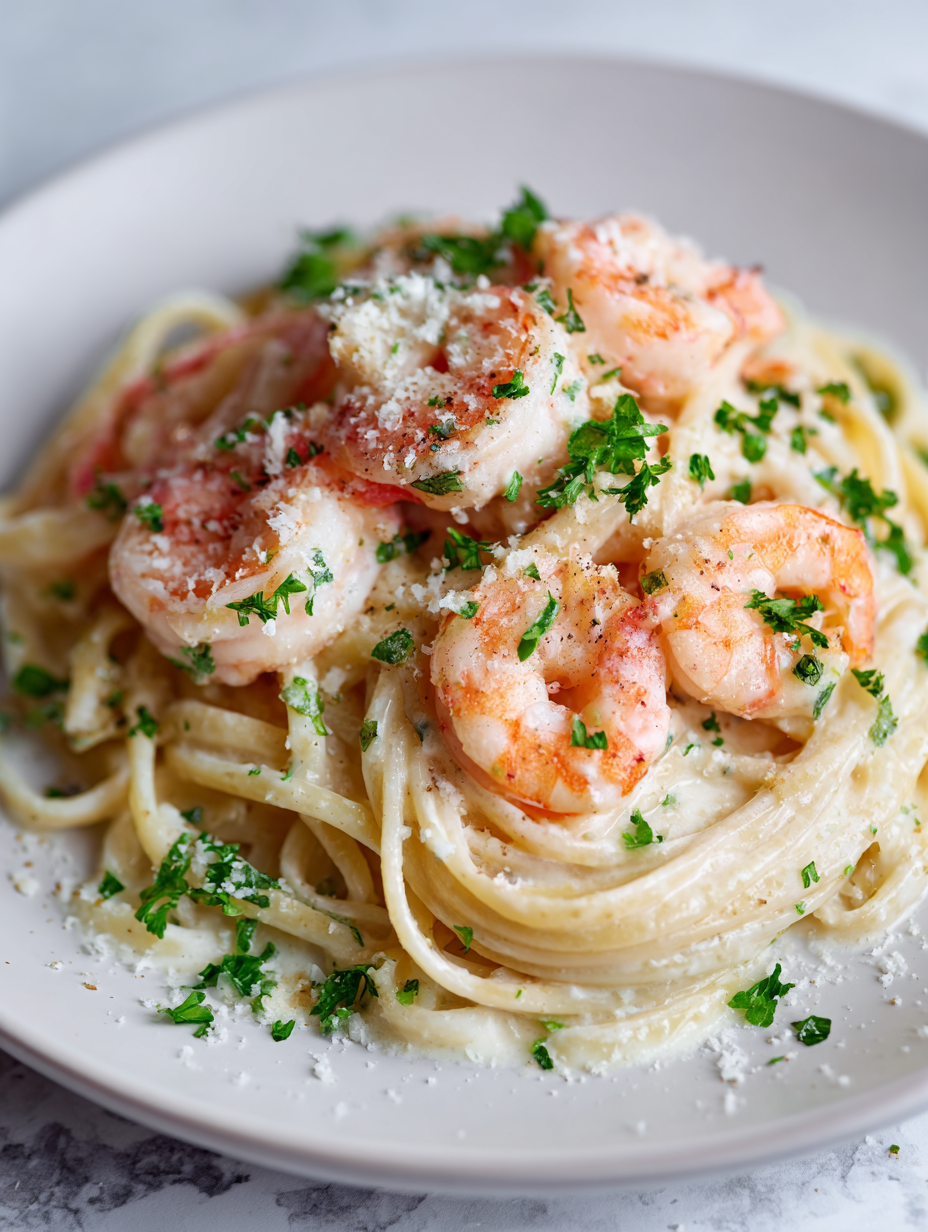
Shrimp White Sauce Pasta
Ingredients
Equipment
Method
- Bring a large pot of salted water to a boil. Add the pasta and cook until just shy of al dente, about 1 minute less than package instructions. Drain and set aside.
- While the pasta cooks, pat the shrimp dry and season with a little salt and pepper. Heat olive oil in a large skillet over medium heat until shimmering.
- Add the shrimp to the skillet and cook for about 2-3 minutes on each side until they turn pink and opaque, with a slight caramelization on the edges. Remove the shrimp from the skillet and set aside.
- Add a tablespoon of butter to the same skillet, letting it melt. Toss in the minced garlic and sauté gently for about 30 seconds until fragrant, being careful not to brown it.
- Pour in the heavy cream and stir with a whisk, scraping up any browned bits from the bottom of the pan. Bring the cream to a gentle simmer and cook for 2 minutes until slightly thickened.
- Stir in the lemon juice and chopped parsley, then taste and adjust with salt and pepper as needed. The sauce should be smooth, creamy, and fragrant.
- Add the cooked pasta directly into the skillet with the sauce. Toss gently using tongs to coat the noodles evenly, allowing the pasta to absorb the flavors for 1-2 minutes.
- Return the cooked shrimp to the skillet, gently mixing them into the pasta and sauce until heated through. The sauce should be silky and cling to all the ingredients.
- Serve immediately, garnished with an extra sprinkle of parsley and a squeeze of fresh lemon if desired. Enjoy your warm, creamy shrimp pasta!
Pro tips for perfect shrimp pasta
- garlic: Sauté until fragrant but not browned to keep the sauce smooth and sweet.
- shrimp: Pat dry before cooking to get a good sear and avoid stewing in moisture.
- sauce: Let the cream simmer gently until it coats the back of a spoon for maximum silkiness.
- pasta: Toss just shy of al dente pasta into the sauce to finish cooking and absorb flavors.
- lemon: Add lemon juice at the end for a bright, fresh contrast to the creamy sauce.
- herbs: Stir in fresh parsley right before serving for peak flavor and color.
Common mistakes and how to fix them
- FORGOT to thaw shrimp → Thaw completely and pat dry for better searing.
- DUMPED sauce too early → Let it reduce until silky before tossing pasta.
- OVER-TORCHED the garlic → Sauté gently until fragrant, not browned to avoid bitterness.
- SKIPPED seasoning step → Taste and adjust salt and lemon for balanced flavor.
Quick fixes and pantry swaps
- When sauce is too thick, splash in warm pasta water and stir until silky.
- If shrimp stick to the pan, add a touch more butter or oil and increase heat slightly.
- Splash lemon juice at the end to brighten dull flavors and freshen the sauce.
- Patch over a burnt garlic smell by simmering a slice of lemon or a bay leaf in the sauce briefly.
- Shield over-salted sauce with a splash of cream or a pinch of sugar to balance flavors.
Prep, store, and reheat tips
- Prepare the pasta and cook it until just shy of al dente—about 1 minute less than package instructions. Drain and toss with a little oil to prevent sticking. Store in an airtight container for up to 2 days in the fridge.
- Peel and devein the shrimp ahead of time. Keep them covered in the fridge for up to 24 hours. Pat dry before cooking to ensure a good sear, which keeps the texture firm and juicy.
- Make the white sauce base and keep it in a sealed jar or container in the fridge. It will last up to 2 days. Reheat gently over low heat, stirring frequently, until warm and smooth—watch for it to bubble slightly and become silky.
- Reheat leftovers by gently warming in a skillet over low heat, stirring often. The sauce may thicken; add a splash of milk or pasta water to loosen it up, and check that shrimp are still tender and cooked through.
- For best flavor, serve within 2 days. As it sits, the sauce may lose some of its bright lemon zing and creaminess, so taste and adjust seasoning before serving again. Sensory cue: the sauce should be velvety and fragrant, with shrimp still juicy.
Top questions about shrimp pasta
1. Can I use frozen shrimp?
Use large, fresh shrimp for the best sweetness and texture. Thaw frozen ones completely and pat dry before cooking.
2. Can I substitute the cream?
Heavy cream gives a silky texture, but half-and-half or evaporated milk can work for a lighter sauce.
3. How do I prevent the garlic from burning?
Cook the garlic gently until fragrant but not browned—browned garlic turns bitter quickly.
4. When should I add lemon juice?
Add lemon juice at the end to brighten the sauce; if out, a splash of white wine works well.
5. How do I cook the pasta properly?
Cook pasta just to shy of al dente, as it will finish cooking in the sauce and soak up flavors.
6. Why isn’t my shrimp searing properly?
Pat shrimp dry before adding to ensure good sear and avoid stewing in water.
7. How do I know when the sauce is ready?
Let the sauce simmer gently until it coats the back of a spoon—about 2 minutes—until silky.
8. Can I make this ahead?
Store cooked pasta and shrimp separately in airtight containers for up to 2 days. Reheat gently, adding a splash of milk if needed.
9. What if the sauce is too thick?
If sauce gets too thick, splash in warm pasta water or a little milk and stir until silky.
10. How do I avoid overcooking the shrimp?
Overcooked shrimp become rubbery—keep an eye on the color and firmness, about 2-3 minutes per side.
This dish isn’t just a quick fix; it’s a reminder that simple ingredients can come together to create something comforting and satisfying. The balance of creamy sauce and tender shrimp feels like a little indulgence in the middle of any week. Plus, it’s a dish I keep coming back to when I want something familiar but with a little extra care.
In a way, it’s about the joy of turning humble pantry staples into a meal that’s both honest and delicious. No fuss, just good food that makes the evening feel a touch more special—even if it’s just for myself.