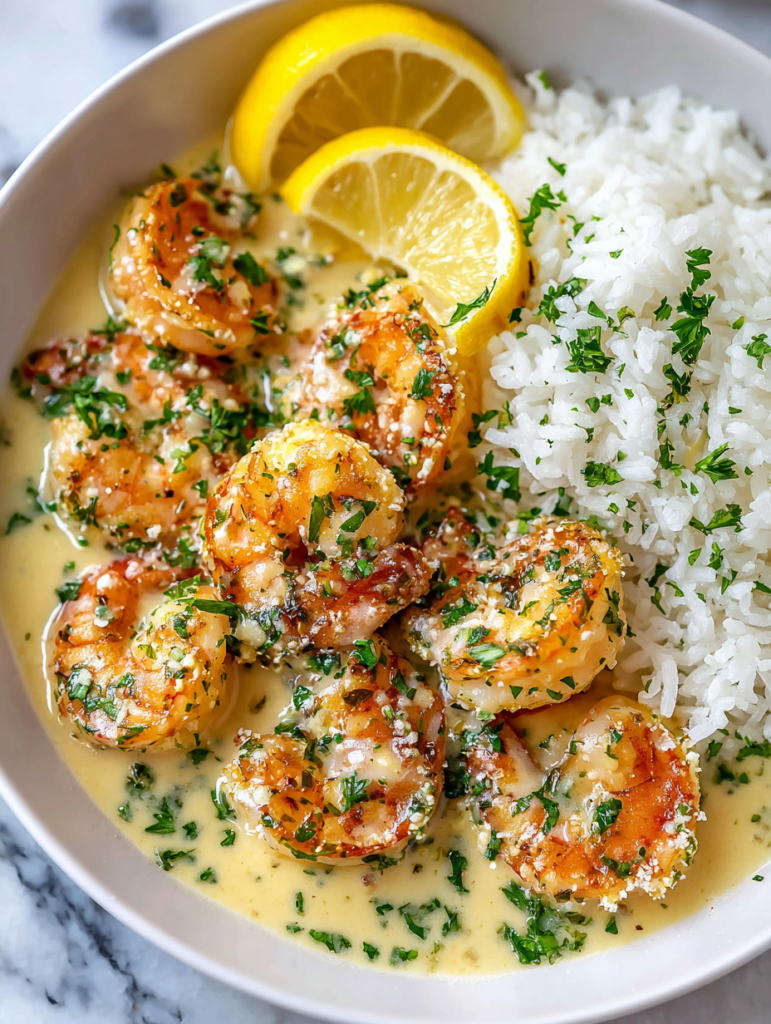
Shrimp Francese is one of those dishes that feels fancy but is surprisingly simple to pull off at home. The secret lies in that vibrant, lemony sauce that brightens every bite and makes the shrimp feel like they just stepped out of a bustling Italian bistro. It’s comfort food with a splash of elegance, perfect for when you want to impress without a lot of fuss.
I’ve always loved how a few good ingredients—fresh shrimp, lemon, butter—can come together so quickly and deliver a punch of flavor. It’s one of those recipes that’s become a go-to when I want something special but don’t want to spend hours in the kitchen. Plus, the aroma of citrus and sizzling butter filling the room? That’s pure magic.
Every time I make this, I’m reminded of warm evenings, a glass of white wine, and the simple joy of good food made with love. It’s a dish that feels celebratory, yet approachable enough for a weeknight meal. Honestly, once you master that delicate lemon sauce, you’ll keep coming back for more.
Focusing on how the bright, lemon-infused sauce transforms the humble shrimp into a restaurant-quality dish that feels both special and approachable for home cooks.
A Lemon-Infused Seafood Classic
- I love how the lemon sauce lifts the dish, giving it a bright, almost celebratory feel even on a quiet weeknight.
- There’s a chaotic joy in flipping the shrimp just right, trying not to overcook while the kitchen fills with citrus and butter aroma.
- This recipe reminds me of family dinners—simple ingredients, loud laughter, and the comforting scent of lemon and garlic wafting through the house.
- Every time I make it, I feel a little proud—like I’ve captured a restaurant moment right in my own kitchen.
- The first time I nailed the sauce’s perfect tang, I felt a rush of relief—like I finally cracked the code to this classic.
The story behind this recipe
- This dish actually came about during a chaotic week where I needed something quick, bright, and satisfying. I remember rummaging through my fridge, spotting some fresh shrimp, and thinking, ‘What if I just… fry them up in a lemon-butter sauce?’ It turned out to be one of those happy accidents that stuck around.
- I love how the simple act of dredging shrimp in flour and then frying them in lemony butter creates a crispy, tangy coating that’s just irresistible. It’s a reminder that sometimes, the most straightforward ingredients—lemon, butter, and good shrimp—can come together to make something memorable. Plus, the smell of that sauce bubbling away? Pure comfort.
- heading: ‘A Bright Take on Classic Seafood’
History and Trivia of Shrimp Francese
- Shrimp Francese has roots in Italian-American cuisine, blending classic Italian flavors with American comfort food traditions.
- The dish likely originated in New York City, where Italian immigrants adapted traditional recipes using readily available ingredients like shrimp.
- Its bright lemon and butter sauce is a modern twist on the classic French-style escargot sauces, adapted for seafood.
- Despite its Italian-American label, the technique of dredging and frying in egg batter has European origins, especially in Southern Italy.
- The dish became popular in the mid-20th century, when home cooks sought elegant yet simple dishes that could be whipped up quickly.
Key Ingredients in Focus
- Shrimp: I prefer wild caught, big and pink—sizzles with a sweet, briny aroma that’s almost smoky. Swap for peeled, deveined shrimp if fresh isn’t available.
- Eggs: They create that light, crisp batter coating. Use fresh eggs—whisk until smooth, and don’t skip the seasoning for extra flavor.
- Flour: I use all-purpose, but for a gluten-free version, rice flour works well—just expect a slightly crispier, lighter crust.
- Lemon: Brightens everything like a punch of citrus—use fresh, juicy lemons for that zingy, oozy sauce. Skip the zest if you want less tartness.
- Butter: It’s the base for that rich, velvety sauce—go for unsalted so you control the salt. If you want a nuttier flavor, toss in a splash of browned butter.
- White wine: Adds depth and a subtle acidity—choose a dry variety. If avoiding alcohol, replace with chicken stock and a splash of vinegar for brightness.
- Parsley: Fresh chopped parsley adds a fresh, grassy note—don’t skimp, it’s the finishing touch that balances richness.
Spotlight on key ingredients
Shrimp:
- I prefer wild-caught, big and pink—sizzles with a sweet, briny aroma that’s almost smoky. Swap for peeled, deveined shrimp if fresh isn’t available.
- Eggs: They create that light, crisp batter coating. Use fresh eggs—whisk until smooth, and don’t skip the seasoning for extra flavor.
- Lemon: Brightens everything like a punch of citrus—use fresh, juicy lemons for that zingy, oozy sauce. Skip the zest if you want less tartness.
Lemon:
- Butter: It’s the base for that rich, velvety sauce—go for unsalted so you control the salt. If you want a nuttier flavor, toss in a splash of browned butter.
- Brightens everything like a punch of citrus—use fresh, juicy lemons for that zingy, oozy sauce. Skip the zest if you want less tartness.
Notes for ingredient swaps
- Seafood Swap: Use firm white fish fillets like cod or haddock if shrimp isn’t available; they’ll hold up well and soak up the lemon butter nicely.
- Gluten-Free Flour: Swap all-purpose flour for rice flour or cornstarch; expect a slightly lighter, crispier coat that still crisps up beautifully.
- Lemon: If fresh lemons are scarce, bottled lemon juice works, but aim for 100% juice for that zingy, bright flavor—just be mindful of the acidity.
- Butter: Olive oil or a light vegetable oil can replace butter for a less rich, but still tasty, sauce—expect less velvety richness but still vibrant citrus notes.
- White Wine: Use chicken broth with a splash of vinegar or lemon juice if you want to skip alcohol; it will still add depth without the boozy aroma.
- Parsley: Cilantro or basil can add a different fresh note if parsley isn’t your thing—though it’ll change the dish’s classic profile somewhat.
- Eggs: Flaxseed or chia seed mixed with water can substitute for eggs in a pinch, but expect a slightly denser batter—still good, just different.
Equipment & Tools
- Shallow dish: For dredging eggs and flour
- Wide skillet: For frying shrimp evenly
- Tongs: To flip and remove shrimp safely
- Lemon zester: To add fresh lemon zest to the sauce
- Small saucepan: To make the lemon butter sauce
Step-by-step to Shrimp Francese
- Equipment & Tools: Use a shallow dish for flour, a wide skillet for frying, and tongs for flipping. A lemon zester and a small saucepan are handy for the sauce.
- Prep the shrimp: Peel, devein, and pat dry. Lightly season with salt and pepper. Set aside.
- Set up dredging station: Whisk eggs in a shallow dish. Place flour seasoned with salt and pepper in another dish.
- Dredge shrimp: Dip each shrimp in eggs, then coat thoroughly in flour. Shake off excess.
- Heat oil: Add enough oil to cover the bottom of a 12-inch skillet. Heat over medium-high until shimmering (~180°C/350°F).
- Fry shrimp: Add shrimp in batches, avoid overcrowding. Cook 2-3 minutes per side until golden and crispy. Transfer to paper towels to drain.
- Make sauce: In the same pan, melt 2 tbsp butter. Add a splash of white wine and lemon juice. Simmer until slightly reduced (~2 minutes).
- Finish: Return shrimp to pan, spoon sauce over, and cook for another minute to warm through. Sprinkle with chopped parsley.
- Rest & plate: Transfer shrimp to serving plate, drizzle with sauce. Serve immediately with lemon wedges.
Serve immediately, garnished with extra parsley and lemon wedges. Keep warm for a few minutes before plating to ensure the sauce stays luscious and the shrimp crispy.
How to Know It’s Done
- Shrimp are golden and crispy, not pale or soggy.
- Lemon sauce is bright, slightly thickened, and bubbling gently.
- Shrimp reach an internal temp of 60°C/140°F, cooked through but tender.
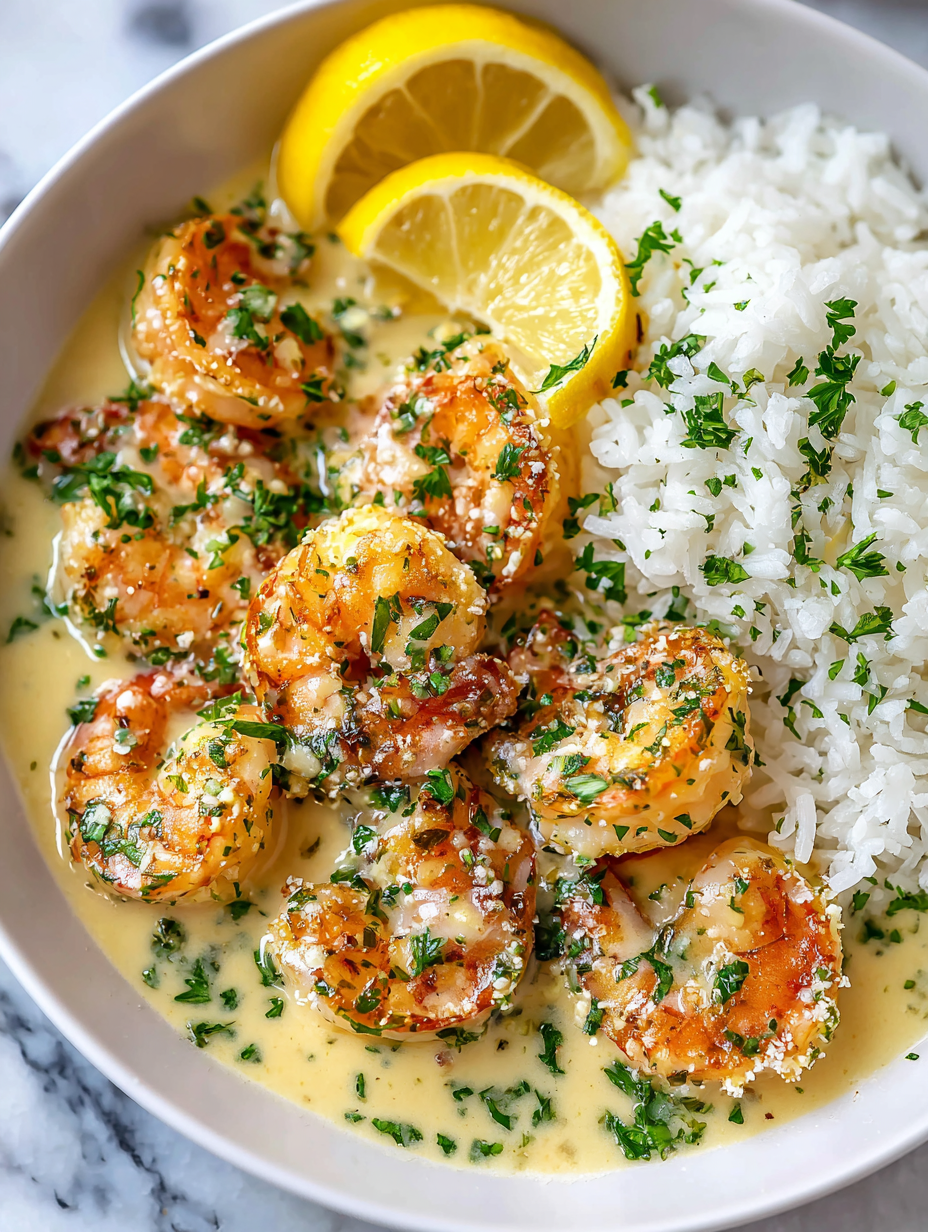
Shrimp Francese
Ingredients
Equipment
Method
- Set up your dredging station by whisking the eggs in a shallow dish and mixing the seasoned flour in another dish.
- Pat the shrimp dry with paper towels, then lightly season with salt and pepper. Dip each shrimp into the eggs, letting excess drip off, then coat thoroughly in the flour mixture.
- Heat about 3 tablespoons of oil in a large skillet over medium-high heat until shimmering and hot but not smoking.
- Add the coated shrimp in batches, making sure not to overcrowd the pan. Fry for 2-3 minutes per side until golden brown and crispy, then transfer to a paper towel-lined plate to drain excess oil.
- In the same skillet, melt 2 tablespoons of butter over medium heat, then add the minced garlic and cook until fragrant, about 30 seconds.
- Pour in the white wine and lemon juice, bringing the mixture to a gentle simmer. Let it cook for about 2 minutes until slightly reduced and fragrant.
- Return the fried shrimp to the pan, spooning the lemon butter sauce over them. Cook for another minute just to warm the shrimp through and coat them evenly.
- Remove from heat and sprinkle with freshly chopped parsley. Squeeze additional lemon juice over for extra brightness if desired.
- Transfer the Shrimp Francese to a serving platter, spooning extra sauce over the top. Serve immediately with lemon wedges for an extra zesty touch.
Pro tips for perfect Shrimp Francese
- Bolded mini-head: Use a neutral oil with a high smoke point for frying—it keeps the shrimp crispy without smoking up the kitchen.
- Bolded mini-head: Ensure oil is hot enough—shimmering and just shy of smoking—so the batter crisps instantly and doesn’t soak up oil.
- Bolded mini-head: When frying batches, keep the heat consistent—too hot and the coating burns; too low and it gets soggy.
- Bolded mini-head: Deglaze the pan with wine or broth immediately after frying shrimp—this lifts the browned bits for richer sauce flavor.
- Bolded mini-head: Don’t skip resting the shrimp briefly after frying—this lets the juices redistribute and keeps them tender.
- Bolded mini-head: When adding lemon juice to the sauce, do it off-heat—this preserves the bright, fresh flavor without bitterness.
- Bolded mini-head: Finish the dish with a quick toss in butter and parsley—this intensifies richness and adds vibrant color.
Common mistakes and how to fix them
- FORGOT to dry shrimp thoroughly before battering—leads to soggy coating. Pat dry for crispness.
- DUMPED oil into pan when too hot—causes splatter. Wait until oil shimmers before adding shrimp.
- OVER-TORCHED sauce—burns quickly. Reduce heat and stir constantly for bright, lemony flavor.
- SKIPPED resting time—shrimp can be rubbery. Rest for 1 minute after cooking for juiciness.
Quick Fixes and Pantry Swaps
- When oil splatters, splash cold water to tame the shimmer and prevent burns.
- If sauce breaks or becomes greasy, whisk in a splash of cold water or ice to rescue.
- Dumped sauce too thick? Thin with a little warm broth or lemon juice, then simmer briefly.
- When shrimp stick to the pan, give them a gentle nudge and turn down the heat for even cooking.
- Splash a bit of lemon juice or white wine if sauce needs more brightness or shimmers with citrus aroma.
Prep, store, and reheat tips
- Prep the shrimp: Peel and devein up to a day ahead. Keep refrigerated in an airtight container for up to 24 hours. They’ll stay fresh and firm with a bright, briny scent.
- Make the sauce: Prepare the lemon-butter sauce 1-2 hours before serving. Store in the fridge; reheat gently on low heat until warm, watching for bubbling and bright aroma.
- Assemble breading station: Dredge shrimp in eggs and flour just before frying for best crispness. Keep prepared shrimp covered in the fridge for up to 2 hours if needed.
- Reheating leftovers: Gently warm shrimp in a skillet over low heat, spooning sauce over until heated through. Expect the texture to be slightly softer but still flavorful, with a zesty smell filling the kitchen.
Top questions about Shrimp Francese
1. Can I use bottled lemon juice?
Use fresh lemon juice for the brightest, most zingy flavor. Bottled lemon works in a pinch but lacks the fresh punch.
2. How do I know when shrimp are cooked perfectly?
Overcooked shrimp turn rubbery and lose their delicate texture. Cook until they are just pink and slightly firm—about 2-3 minutes per side.
3. What oil should I use for frying the shrimp?
Use a neutral oil like vegetable or canola oil for frying. It has a high smoke point and doesn’t affect the lemon-butter flavor.
4. Can I make this gluten-free?
Yes, you can substitute gluten-free flour like rice flour or cornstarch. Expect a slightly lighter, crispier coating that still crisps well.
5. What if my sauce breaks or separates?
If the sauce becomes greasy or separates, whisk in a splash of cold water or ice to help it come back together.
6. Can I skip the wine?
Use a good quality dry white wine like Pinot Grigio or Sauvignon Blanc. If avoiding alcohol, replace with chicken broth plus a splash of lemon or vinegar.
7. Can I use dried parsley instead of fresh?
Fresh parsley adds a vibrant, grassy note that balances the richness. Dried parsley can work but won’t give the same fresh brightness.
8. Should I rest the shrimp after cooking?
Rest the cooked shrimp for about a minute before serving. It helps keep them juicy and prevents rubbery texture.
9. Why deglaze the pan after frying the shrimp?
Deglazing the pan with wine or broth after frying adds depth to the sauce and lifts all those tasty browned bits.
10. How hot should the oil be for frying?
Adjust heat to medium-high for frying—hot enough to crisp the batter but not so hot as to burn it instantly.
Making Shrimp Francese is like capturing a moment of bright, lemon-infused joy in your kitchen. It’s a dish that reminds me how simple ingredients—shrimp, butter, lemon—can come together so quickly into something that feels special.
Whenever I serve this, I think about how a little bit of patience and a good splash of citrus can turn a humble meal into a celebration. It’s honest food, with a little bit of magic in every bright, crispy bite.