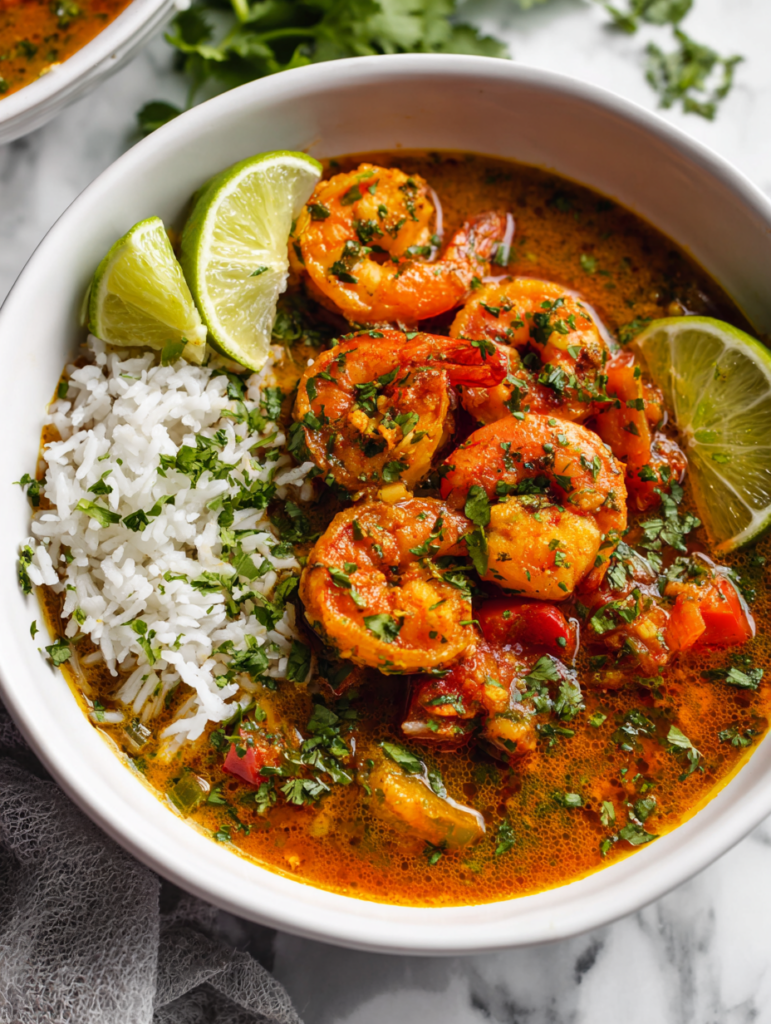
There’s something about making your own curry paste that turns a simple shrimp curry into a real showcase of flavor. I love how fresh spices and herbs, ground just right, add a vibrancy you just can’t get from store-bought jars. It’s honestly a bit messy, but the aroma alone makes it worth every minute.
This dish isn’t about perfection; it’s about tuning into the process—the crackle of spices in oil, the way the paste transforms into a fragrant sauce, and those tender shrimp soaking up all that goodness. It’s a recipe that invites you to get a little playful, adjusting heat and spice levels as you go.
What I keep coming back to is how satisfying it is to turn everyday ingredients into something special. A splash of coconut milk, a squeeze of lime, and suddenly dinner feels like a little celebration. Making this shrimp curry has become my go-to when I need something cozy, quick, and full of punch.
Focusing on the overlooked power of homemade curry paste, this recipe reveals how a simple scratch-made blend transforms shrimp curry into a rich, personalized dish. It’s about the joy of tweaking spice levels and balancing flavors, turning a routine dinner into an honest, sensory adventure.
Rediscovering the joy in homemade curry
- Cooking this dish always reminds me of lazy weekends spent with family, sharing stories over a bubbling pot.
- There’s a rush of pride when I see the vibrant orange hue of the curry and know I made it from scratch.
- I love how the smell of spices in the air instantly transports me back to my childhood kitchen in India.
- Every time I make this, I feel a little more confident in my ability to turn simple ingredients into something special.
- The best part? Watching everyone dig in and ask for seconds, my heart a little fuller with each bowl served.
The story behind this recipe
- This recipe took shape one rainy afternoon when I was stuck indoors, craving something vibrant and warming. I remember rummaging through my spice drawer, pulling out bits and pieces that reminded me of my travels and childhood dishes. It’s funny how a simple idea—shrimp swimming in a fragrant, spicy sauce—can feel so nostalgic and new at once.
- I always loved how making my own curry paste felt like a small act of rebellion against the bland, store-bought options. The process of grinding fresh spices, smelling their intense aroma, and watching the paste come together is oddly meditative. It’s become my way of reconnecting with the flavors I grew up with, even if I’m miles away from the coast.
- heading: ‘The story behind this recipe’
Trivia and historical tidbits
- Shrimp curry has roots in South Asian coastal cuisines, where fresh seafood and bold spices blend seamlessly.
- Historically, this dish traveled along trade routes, incorporating influences from Indian, Thai, and Malay culinary traditions.
- In some regions, shrimp curry was a festive dish, reserved for special occasions and communal gatherings.
- The use of coconut milk in shrimp curry became popular in tropical areas as a way to add richness and balance spice heat.
- Modern versions often adapt traditional recipes with local ingredients, making it a versatile, globally-loved comfort food.
Ingredients Breakdown
- Shrimp: I prefer large, fresh shrimp with a firm bite and a sweet, oceanic aroma. If yours are frozen, thaw thoroughly and pat dry for better searing.
- Curry Paste: I mix my own with fresh spices—garlic, ginger, turmeric—ground to a fragrant, slightly oily paste. Use store-bought only if pressed; it dulls the vibrancy.
- Coconut Milk: I reach for full-fat canned coconut milk—its creamy, slightly sweet richness makes the sauce luscious. Light versions can thin out the sauce and dull the flavor.
- Spices: I toast whole cumin and coriander seeds until aromatic, then grind them fresh. This step boosts depth; skip if you’re in a rush, but expect a slightly muted profile.
- Lime: Brightens the dish with a squeeze of fresh lime juice at the end. The zing cuts through the richness, adding a fresh, citrusy punch—don’t skip it.
- Oil: I use a neutral oil with a high smoke point—like canola or grapeseed—to fry the paste and shrimp. It’s about that crackling sound and fragrant aroma that signals readiness.
- Fresh Herbs: Cilantro and optional Thai basil add a burst of herbal freshness just before serving. Chop them finely for maximum aroma and visual appeal.
Spotlight on key ingredients
Shrimp:
- I prefer large, fresh shrimp with a firm bite and a sweet, oceanic aroma. If yours are frozen, thaw thoroughly and pat dry for better searing.
- Coconut Milk: I reach for full-fat canned coconut milk—its creamy, slightly sweet richness makes the sauce luscious. Light versions can thin out the sauce and dull the flavor.
- Spices: I toast whole cumin and coriander seeds until aromatic, then grind them fresh. This step boosts depth; skip if you’re in a rush, but expect a slightly muted profile.
Coconut Milk:
- Curry Paste: I mix my own with fresh spices—garlic, ginger, turmeric—ground to a fragrant, slightly oily paste. Use store-bought only if pressed; it dulls the vibrancy.
- Lime: Brightens the dish with a squeeze of fresh lime juice at the end. The zing cuts through the richness, adding a fresh, citrusy punch—don’t skip it.
- Oil: I use a neutral oil with a high smoke point—like canola or grapeseed—to fry the paste and shrimp. It’s about that crackling sound and fragrant aroma that signals readiness.
Notes for ingredient swaps
- Protein: Chicken thighs can replace shrimp for a meatier, budget-friendly option. They absorb flavors well but take a bit longer to cook.
- Coconut Milk: Use almond or cashew milk for a lighter, nutty taste. The sauce will be less rich and creamy but still flavorful.
- Spice Intensity: Adjust with milder paprika or cayenne. For a smoky depth, try smoked paprika or chipotle powder.
- Fresh Herbs: Basil or mint can stand in for cilantro, adding a different herbal brightness. Use sparingly as they have distinct profiles.
- Acid: Lime juice can be swapped with lemon juice for a slightly sweeter, less tangy finish. Both brighten the dish effectively.
- Oil: Swap neutral oil with ghee or butter for a richer, more decadent flavor. Be mindful of lower smoke points to prevent burning.
- Sweetness: Add a touch of honey or brown sugar if you find the curry too spicy or tangy. It rounds out the flavors nicely.
Equipment & Tools
- Large skillet or wok: To cook the curry and sear the shrimp evenly.
- Spatula: For stirring and turning the ingredients.
- Mortar and pestle or spice grinder: To grind whole spices for fresh curry paste.
- Sharp knife: To peel and devein shrimp, chop onions, and herbs.
- Measuring spoons: To accurately add lime juice and spices.
Step-by-step guide to shrimp curry
- Gather your equipment: a large skillet or wok, a spatula, a sharp knife, a cutting board, and a measuring spoon. The skillet needs to hold enough space for the shrimp and sauce to simmer without crowding.
- Prepare the curry paste: in a dry skillet over medium heat (~175°C / 350°F), toast whole cumin and coriander seeds until fragrant, about 1-2 minutes. Grind to a fine powder using a mortar and pestle or spice grinder.
- Peel and devein the shrimp if not already done. Pat dry with paper towels to remove excess moisture, which helps searing. Set aside.
- Heat 2 tbsp neutral oil in your skillet over medium heat (~160°C / 320°F). Add a tablespoon of the fresh curry paste, and cook for 2-3 minutes until fragrant and slightly darker in color, stirring constantly. The oil should shimmer and the spice smell should intensify.
- Add chopped onions (1 small, diced) to the skillet. Cook for 5-7 minutes, stirring occasionally, until translucent and soft. It’s okay if some bits stick slightly—use a splash of water or broth to deglaze if needed.
- Stir in the remaining curry paste (about 2 tbsp), cook for another minute. Then pour in 1 can (400ml) of full-fat coconut milk, stirring to combine. Bring to a gentle simmer (~160°C / 320°F). The sauce should thicken slightly and smell rich and spicy.
- Add the shrimp to the sauce in a single layer. Cook for 3-4 minutes, gently stirring or flipping once, until shrimp turn pink and are just cooked through. The shrimp should be opaque, firm, and slightly plump.
- Finish with a squeeze of fresh lime juice (about 1 tbsp) and chopped cilantro. Taste and adjust salt or spice if needed. The sauce should be bright, fragrant, and slightly thickened.
- Remove from heat. Let the curry rest for 2 minutes to allow flavors to meld. Serve hot, garnished with extra herbs if desired. Pair with steamed rice or warm naan.
Let the curry sit for 2 minutes off the heat to settle. Serve immediately with rice or bread, garnished with extra cilantro. The sauce will thicken slightly as it rests, intensifying the flavors.
How to Know It’s Done
- Shrimp are opaque and firm, with a slight bounce when pressed.
- Sauce is thickened, fragrant, and coats the back of a spoon.
- Color of the curry is vibrant orange with visible flecks of herbs and spices.
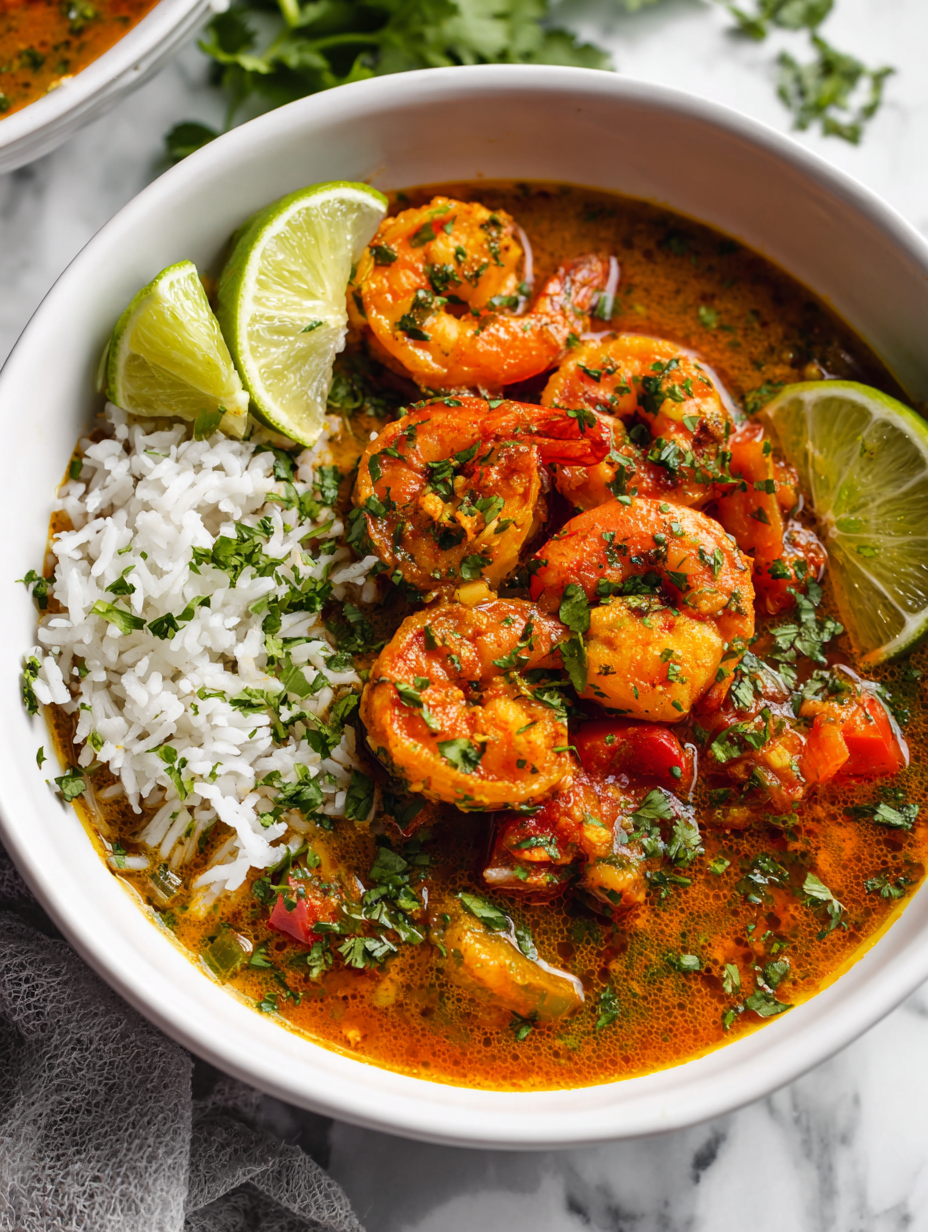
Homemade Shrimp Curry with Fresh Curry Paste
Ingredients
Equipment
Method
- Start by toasting cumin and coriander seeds in a dry skillet over medium heat until fragrant, about 1-2 minutes. Then, transfer them to a mortar and pestle or spice grinder and grind into a fine powder.
- Peel and devein the shrimp if needed, then pat them dry thoroughly with paper towels. This helps them sear nicely without steaming.
- Heat 2 tablespoons of neutral oil in your large skillet or wok over medium heat until shimmering. Add a tablespoon of your freshly ground spice mixture and cook for about 30 seconds until fragrant, stirring constantly to prevent burning.
- Add the diced onion to the pan and cook for 5-7 minutes, stirring occasionally, until translucent and soft, with some golden edges forming. The aroma should be sweet and spicy.
- Stir in the remaining curry paste ingredients—garlic, ginger, turmeric—and cook for another minute until the mixture is fragrant and slightly darker in color.
- Pour in the full-fat coconut milk, stirring well to combine. Bring the mixture to a gentle simmer and let it bubble softly for about 5 minutes, allowing the flavors to meld and the sauce to thicken slightly.
- Increase the heat slightly and add the shrimp in a single layer, pressing them into the sauce. Cook for 3-4 minutes, flipping once, until they turn pink and opaque, and are just cooked through.
- Finish by squeezing in the fresh lime juice and sprinkling chopped cilantro over the curry. Taste and adjust seasoning with salt or more lime if needed.
- Remove from heat and let the curry rest for a minute or two. Serve hot, garnished with extra cilantro, alongside steamed rice or warm naan for a complete meal.
Pro tips for shrimp curry
- BOLD Spices: Toast whole spices until aromatic, then grind for a vibrant, fresh flavor that can’t be beaten.
- FRAGRANT Paste: Cook your curry paste in oil until fragrant and slightly darker—this depth makes all the difference.
- SEAR Shrimp: Pat shrimp dry thoroughly before searing for a juicy, non-soggy finish with a little caramelization.
- CRACKLE Oil: Use a neutral oil with a high smoke point; listen for that satisfying crackle when it hits the hot pan.
- SMELL Check: The oil and spices should smell intensely fragrant, signaling your base is ready before adding liquids.
- TASTE Test: Adjust seasoning with lime and salt at the end; flavors should be bright, balanced, and just a touch spicy.
- GENTLE Simmer: Keep the sauce at a gentle simmer (~160°C / 320°F) to prevent curdling or burning the coconut milk.
Common mistakes and how to fix them
- FORGOT to adjust heat after adding shrimp → reduce heat to prevent overcooking.
- DUMPED too much oil in curry → wipe excess oil for a less greasy sauce.
- OVER-TORCHED spices → toast spices until fragrant, then remove from heat immediately.
- MISSED seasoning step → taste and adjust salt and lime for balance before serving.
Quick fixes and pantry swaps
- If shrimp release excess water, splash a little more oil and sear longer for crispness.
- When curry is too thick, stir in warm coconut milk or broth to loosen it up.
- Splash a squeeze of lime if the curry smells flat or dulls in flavor.
- Patch overcooked shrimp by adding a splash of coconut milk and simmering briefly.
- Shield the sauce from burning by lowering heat and stirring constantly after adding coconut milk.
Prep, store, and reheat tips
- Prep the curry paste ahead: grind spices and blend with aromatics up to 2 days in advance. Store in an airtight jar in the fridge; fragrant oils may settle, but stir before use.
- Peel and devein shrimp the day before. Keep covered in the fridge for up to 24 hours. Rinse lightly before cooking to remove any excess moisture, which helps searing.
- Coconut milk can be made into the sauce a day ahead. Reheat gently on the stove over low heat, stirring occasionally until steaming hot and fragrant again.
- Refrigerate leftovers in an airtight container for up to 2 days. The sauce may thicken; stir in a splash of warm water or coconut milk to loosen and refresh flavors.
- Reheat the curry gently on the stovetop over low-medium heat (~150°C / 300°F). Watch for bubbling and release of aroma, and avoid boiling to prevent breaking the sauce’s texture.
Top questions about shrimp curry
1. How can I tell if shrimp are fresh?
Fresh shrimp should be firm, slightly translucent, with a sweet ocean scent. If yours smell off or slimy, discard and use fresh.
2. Can I substitute light coconut milk?
Use full-fat canned coconut milk for creaminess. Light coconut milk makes the sauce thinner and less rich, which can affect texture.
3. How do I know when the curry is done?
Cook the curry at a gentle simmer (~160°C / 320°F) until the sauce thickens slightly and the shrimp turn pink, about 4 minutes.
4. When should I add lime juice?
Adding lime juice at the end brightens the dish with a citrus punch. Don’t skip it; it balances the rich flavors.
5. Is it necessary to toast spices first?
Toast whole spices until fragrant, then grind for a vibrant flavor. Skip this step, and your curry may lack depth.
6. How can I prevent overcooking the shrimp?
Overcooked shrimp become rubbery. Cook just until pink and opaque, about 3-4 minutes, to keep them tender.
7. What oil works best for cooking this curry?
Use a neutral oil with a high smoke point, like canola or grapeseed, to avoid burning and develop a fragrant base.
8. How long can I keep leftovers?
Store the curry in an airtight container in the fridge for up to 2 days. Reheat gently on the stovetop, stirring often.
9. What if the curry thickens after storing?
If the sauce thickens too much upon reheating, stir in a splash of coconut milk or warm water to loosen it up.
10. How do I know when to add the coconut milk?
When the oil crackles and spices release a fragrant aroma, your base is ready for the next step.
Making this shrimp curry from scratch reminds me how comforting simple, honest ingredients can be. The fragrant spices, the tender shrimp, and that silky sauce—it’s a dish that feels like a small, flavorful victory every time.
Right now, in this season of busy nights and craving for something warm, this recipe offers a straightforward way to bring a little kitchen joy. It’s not fancy, but it’s real, and that’s what makes it stick around in my rotation.